Early Childhood.
What early childhood looks like at Wonderspring, from first relationships to kindergarten readiness.
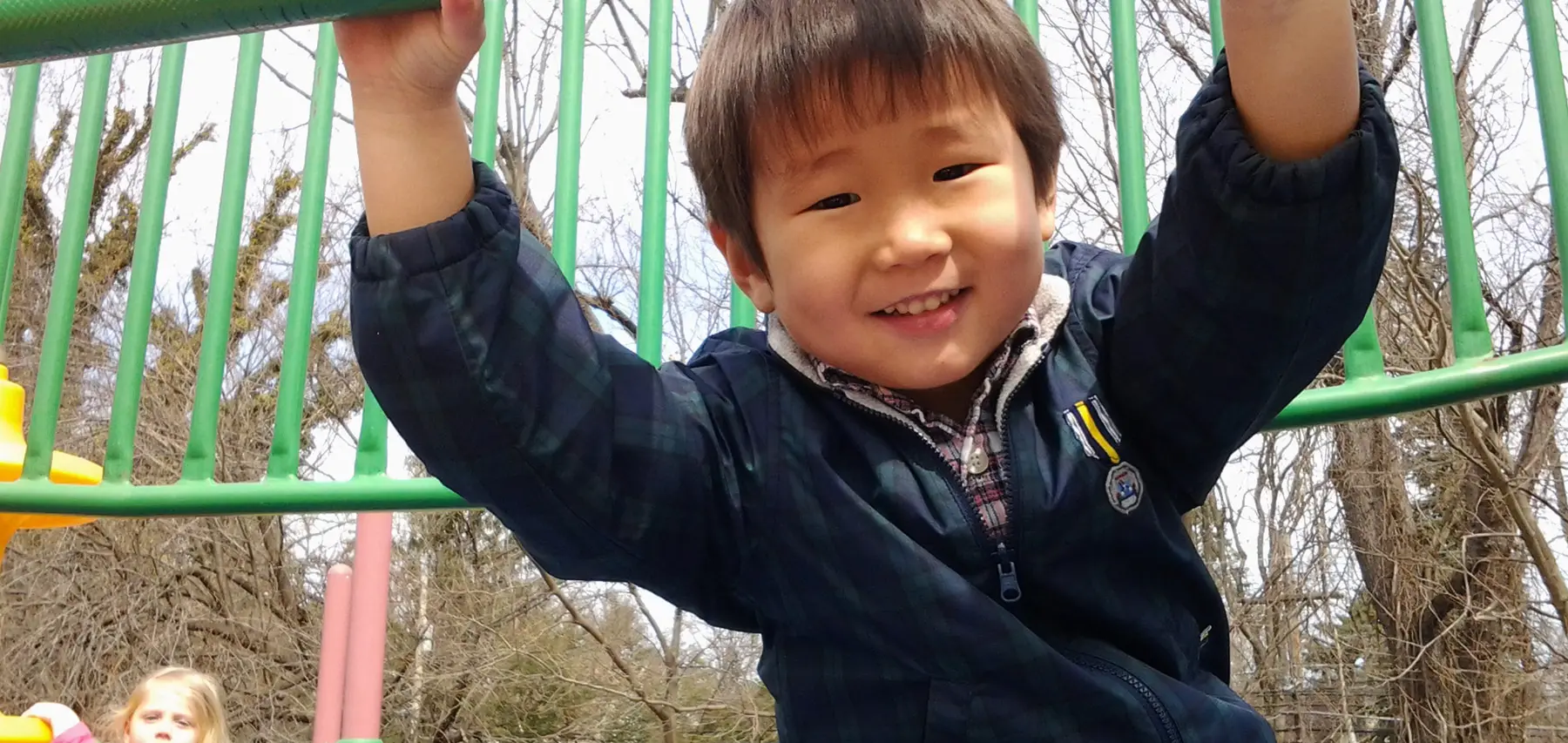
Early Childhood
Infant program
In their first year, trusting relationships are key to a child's learning. Teachers comfort and interact with babies daily, through eating, sleeping, and diapering routines that help infants feel secure and begin to understand what happens next. Babies get interesting materials to explore and play with for long stretches. Teachers use The Creative Curriculum for Infants, Toddlers and Twos, and monitor each child's progress. Ask which centers offer infant care.
Toddler Program
Toddlers explore and experiment as they learn to walk, climb, and talk. Our toddler program provides a stimulating atmosphere to encourage growth, creativity, and curiosity.
Preschool/PreK
Preschool and preK focus on kindergarten readiness. Children learn through play, exploration, and guided activities, with fine motor skills practiced in fun, creative ways. Teachers plan projects based on children's inquiries and interests. Wonderspring invites parents to be involved during the school day and at home. Several centers offer PreK Counts, PHLpreK, and Early Head Start for eligible families, and all accept ELRC subsidy. Ask about the center nearest you.
Wonderspring Havertown
Wonderspring Havertown opened recently in the location of the former St. Faith Preschool and Kindergarten. It is currently licensed by the Department of Education. The center offers preschool for children 3 to 5 years of age. Families can contact the center to ask about availability, tuition, and how to schedule a visit.
What this looks like in practice
In a good early childhood room, the day has a shape children can predict. Babies eat, sleep, and get changed on their own rhythms, with plenty of holding and talk. Toddlers move between active play, stories, and rest. Teachers kneel to a child's level and narrate what happens next, so children start to trust the routine and the adults who keep it.
Steady care in the first years shows up at home. A baby who is comforted when upset learns that adults are reliable. A toddler who has words for feelings uses them instead of a tantrum. Predictable meals and naps make evenings calmer. Those small shifts build as children move toward preschool, where they arrive ready to share, listen, and try things on their own.